When the heat goes out in Shreveport, LA, the clock starts running, and the diagnosis depends entirely on what kind of system is doing the failing. On a gas furnace, the single most frequent culprit is a flame sensor coated in oxide: the burners light, the sensor cannot prove the flame, and the board shuts the gas down three tries later and locks out. Close behind come cracked hot surface igniters, stuck pressure switches, clogged condensate traps on high-efficiency models, and blower motors that have quietly worn out. Heat pumps fail differently: a weak defrost cycle leaves the outdoor coil armored in ice, a failed reversing valve strands the system in cooling, and a dead outdoor unit leaves the electric backup strips carrying the whole house at several times the operating cost.
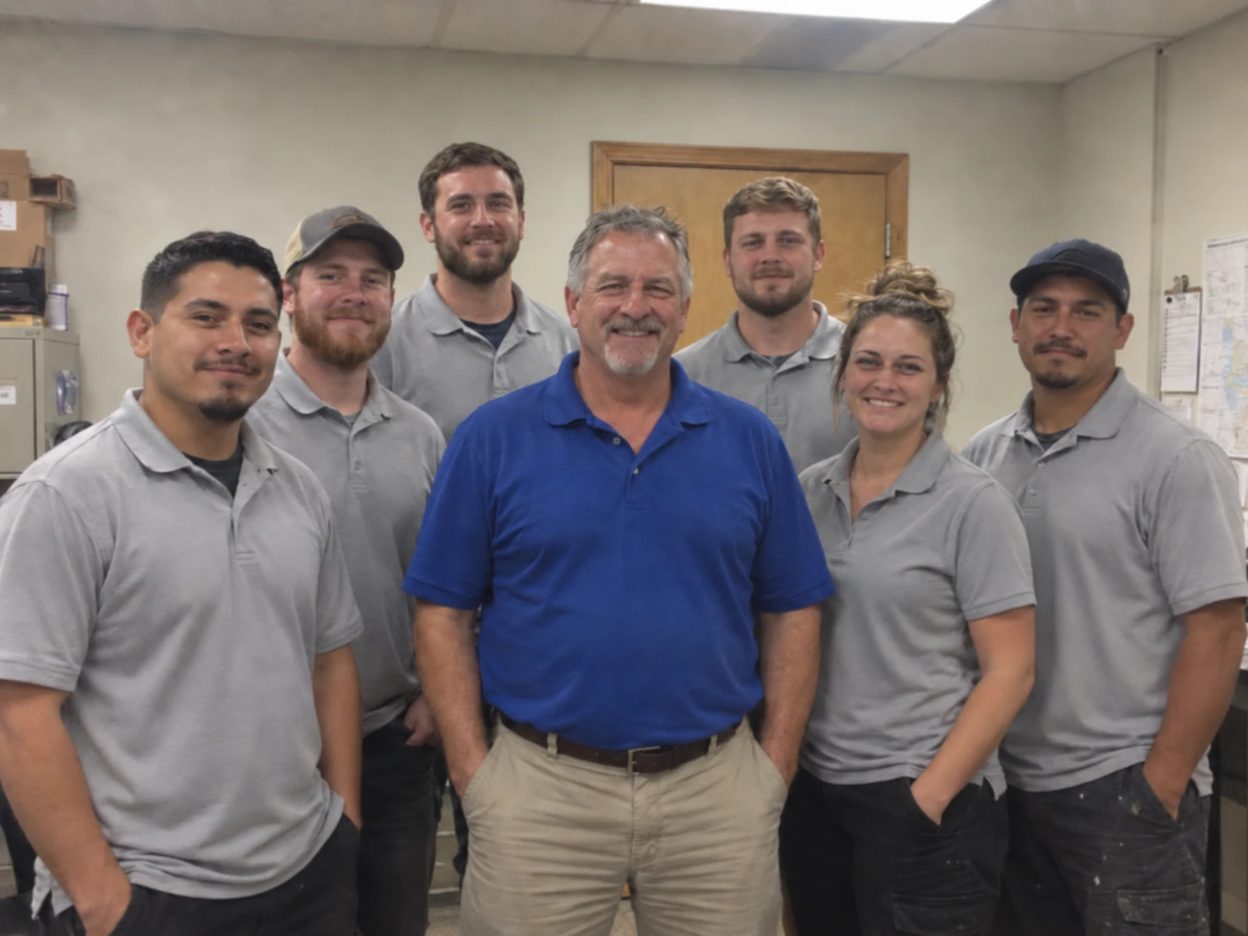
Guessing gets expensive on a cold night, so Shreveport HVAC handles every heating call as a diagnosis first and a repair second. Our experienced technicians measure before they replace anything: microamp flame signal, igniter resistance, pressure switch response to actual inducer draft, capacitor and motor readings, plus charge and defrost checks when the system is a heat pump. On gas equipment, safety checks are built in, not an add-on. Gas connections are leak-tested, the heat exchanger is inspected, and venting is verified, because warm air from an unsafe furnace is not a fix.
We service gas and electric furnaces, heat pumps, air handlers, boilers, and ductless systems across all major brands, with igniters, flame sensors, capacitors, inducer motors, and blower motors stocked on the truck, so most homes have heat again the same visit. If your equipment is at the end of the road, we say so honestly and walk you through the options with real numbers. For fast heating repair anywhere in Shreveport, call (337) 434-8937 and we will get the warm air moving today.
Our most requested repair is Furnace Repair in Shreveport. If something has stopped working, start there.
When to Call for Heating Repair in Shreveport
The sooner you notice these red flags, the easier and cheaper the problem is to resolve. Watch for these telltale signs that professional help is needed:
- Uneven heat, with certain rooms that never warm up
- Higher heating bills with less comfort to show for them
- Thick ice or frost covering the heat pump outside
- The system starting and stopping every few minutes without warming the house
- Cold air, or no air at all, when the thermostat calls for heat
- A furnace that tries to light, clicks, and then quits
- Burning, musty, or rotten-egg odors when the heat runs
- Booming or banging at ignition, a sign of delayed burner light-off
Early Action Saves Money
A failing capacitor, clogged condensate drain, or dirty flame sensor rarely fixes itself and usually gets more expensive to address the longer it runs. Call Shreveport HVAC at (337) 434-8937 at the first sign of trouble.
Ready to Solve Your Heating Repair Problem?
Call our expert team for pricing today.
Get Help: (337) 434-8937Your Heating Repair Questions Answered
Why Professional Heating Repair Matters
Some of the most dangerous heating failures are the ones nobody notices. A cracked heat exchanger can send combustion gases into the supply air, a blocked or failing flue can spill carbon monoxide into the house, and a furnace that lights late booms gas inside the exchanger, weakening it a little more every cycle. Without instruments, none of it is easy to spot. Even routine symptoms can mislead: a short-cycling furnace may have a bad limit switch, or it may simply be shutting down to protect itself from a choked filter. Clean a flame sensor without asking why it fouled, and the next lockout is already on the calendar.
That is why Shreveport HVAC does not work on hunches. Our technicians read flame signal on a meter, look at the heat exchanger directly, confirm the flue is drafting, and compare temperature rise to the data plate to make sure the blower speed fits the burner. On heat pumps we check defrost controls, sensors, and the reversing valve before blaming the compressor, and we find out whether the electric backup heat has been running in the background and driving up your costs. Nothing is called fixed until it has run a full cycle and proven itself safe and correct, because your family's warmth and safety depend on it.
Our Heating Repair Process
We work through a clear, repeatable process so nothing gets overlooked on your property. Here's how we handle heating repair from start to finish:
Diagnosis & Safety Inspection
Each call begins with measurements, not guesses: flame signal, igniter resistance, pressure switch response, and motor and capacitor health, plus refrigerant charge and defrost on heat pumps. Gas connections are leak-tested as a matter of course.
Clear Findings & Upfront Quote
Before we pick up a tool, we walk you through what broke, why it broke, and what it will cost. And if the findings, like a cracked heat exchanger or a dead compressor, point toward replacement, we are upfront about it.
Expert Repair
Igniters, flame sensors, pressure switches, capacitors, and motors ride on our trucks, so most heating repairs are completed the same visit and the house starts warming before we leave.
Final Testing
We do not call it done until the system proves itself. That means full cycles, temperature rise checked against the data plate, combustion and draft confirmed on gas equipment, and every safety control verified.
Not Sure What You Need?
We provide honest advice and upfront pricing on all heating repair work.
Call (337) 434-8937 NowMaintenance Tips for Heating Repair
A little routine maintenance goes a long way toward avoiding a mid-season breakdown. Here are our expert recommendations:
- Clear snow, leaves, and overgrown shrubs from around the heat pump so defrost works properly
- Take booming ignition or new rattles seriously; both are cheap to fix early and expensive late
- Never store paints, solvents, or chlorine products near the furnace; their vapors corrode the burners
- Keep the area around the furnace clear so the burner gets adequate combustion air
- Change the filter monthly in heating season; starved airflow trips limit switches and cracks exchangers early
- Make sure every level has a working carbon monoxide detector, and test it monthly
- Have the system serviced each autumn, before the weather tests every weak component
Comparing DIY and Professional Heating Repair
Some simple checks are suitable for DIY, but most heating and cooling repairs benefit from professional tools, training, and experience. Consider the following comparison:
| Factor | DIY Attempt | Professional Service |
|---|---|---|
| CO Safety | An unseen hazard never gets tested | Draft and heat exchanger checked every visit |
| Troubleshooting | Error code guessing games | Readings taken before parts are replaced |
| Gas Safety | A loose fitting goes unnoticed | Every joint checked with a leak detector |
| Heat Pumps | Defrost faults mistaken for dead units | Boards, sensors, and valves tested properly |
| Underlying Cause | Sensor cleaned, cause ignored | The fault behind the fault diagnosed |
| Final Testing | One successful start and done | Temperature rise measured over full cycles |
Talk to a Heating Repair Expert
Get your comfort back before a small fault becomes a full breakdown. Shreveport HVAC is ready to respond fast.
Get Help: (337) 434-8937Heating Repair Near Shreveport
Wherever you are in the area, the same experienced team handles your heating repair. Find your community below.